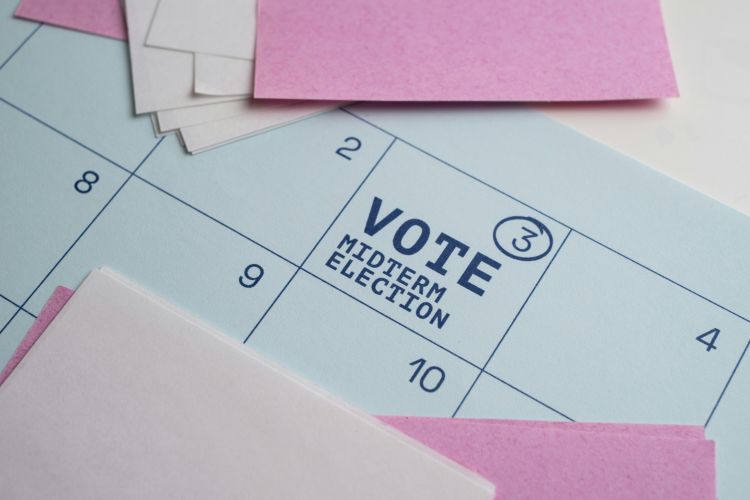
Examining Colorado’s plain-language ballot proposal and the organizations connected to the measures voters will consider this November.
by Victoria Birchfield, staff writer
Colorado voters will decide whether to change how ballot questions are written across the state. Amendment 85 would require all state and local ballot questions to use plain language at no higher than an eighth-grade reading level.
Supporters argue that this would make complicated measures easier to understand. However, the proposal leaves questions about how the reading-level standard would be measured and how it would work alongside other ballot-title requirements.
Colorado lawmakers have already taken steps toward making ballot language more accessible. In May 2026, the governor signed House Bill 26-1320, which requires ballot titles for covered citizen initiatives to use accessible language, defined as plain language understood by the widest possible audience.
The law also allows certain required tax-related wording to be modified as long as it remains substantially similar to the language specified by law.
Amendment 85 would go further by placing an explicit eighth-grade reading-level requirement in the state constitution and applying plain-language requirements to state and local ballot questions.
Because it is a constitutional amendment, changing that standard would require another statewide vote.
One question is how the state would determine whether a ballot title meets an eighth-grade reading level. The Colorado Blue Book explains that Amendment 85 does not define plain language or specify who would determine whether a title meets the standard. This leaves details about how the requirement would be applied unanswered.
The Blue Book’s arguments against the measure also warn that the new constitutional standard could lead to more legal challenges involving initiative titles. That is a potential consequence identified in the official voter guide, not a confirmed outcome.
Ultimately, Amendment 85 raises a question about how Colorado should balance simple wording with the need to explain complicated policy decisions accurately.
The amendment also addresses wording required by state law in ballot titles for citizen-initiated measures.
Current law requires specific tax-related information in certain ballot titles, including information about tax changes and, in some cases, potential reductions in government spending when tax revenue decreases. House Bill 26-1320 made these requirements more flexible by allowing substantially similar wording to appear anywhere in the title.
Amendment 85 would prohibit state statutes from requiring wording in citizen-initiated ballot titles when that wording conflicts with the amendment’s plain-language requirements.
The Blue Book identifies this as an area where existing requirements could conflict with the proposed constitutional standard; it does not establish exactly how every potential conflict would be resolved.
The Colorado League of Women Voters opposes Amendment 85. The organization argues that state law already requires accessible ballot language and that putting a specific reading-level standard in the constitution could limit the legislature’s ability to adjust the rules in the future.
Supporters, including Advance Colorado president Michael Fields, argue that an explicit standard could make ballot questions easier for voters to understand. Both sides support the goal of accessible information, but they disagree about whether the proposed constitutional requirement is the best way to achieve it.
Public records also show who is formally connected to the proposal. The Colorado Secretary of State lists Michael Fields and Suzanne Taheri of Advance Colorado as designated representatives for Amendment 85. CPR News identifies Advance Colorado as a conservative advocacy group and reports that Fields supports the measure.
These records establish the group’s connection to the amendment, but they do not establish the motives behind its involvement. That distinction matters when examining the organizations involved in shaping Colorado’s ballot.
Ultimately, Amendment 85 raises a question about how Colorado should balance simple wording with the need to explain complicated policy decisions accurately.
The proposal would establish a specific constitutional reading-level standard, but the Blue Book notes that it does not explain who would measure compliance or define plain language.
Looking at the amendment’s wording, the existing law, and the arguments from supporters and opponents gives voters a clearer basis for evaluating the proposal without assuming what its effects will be.